 JapanMachineryTrader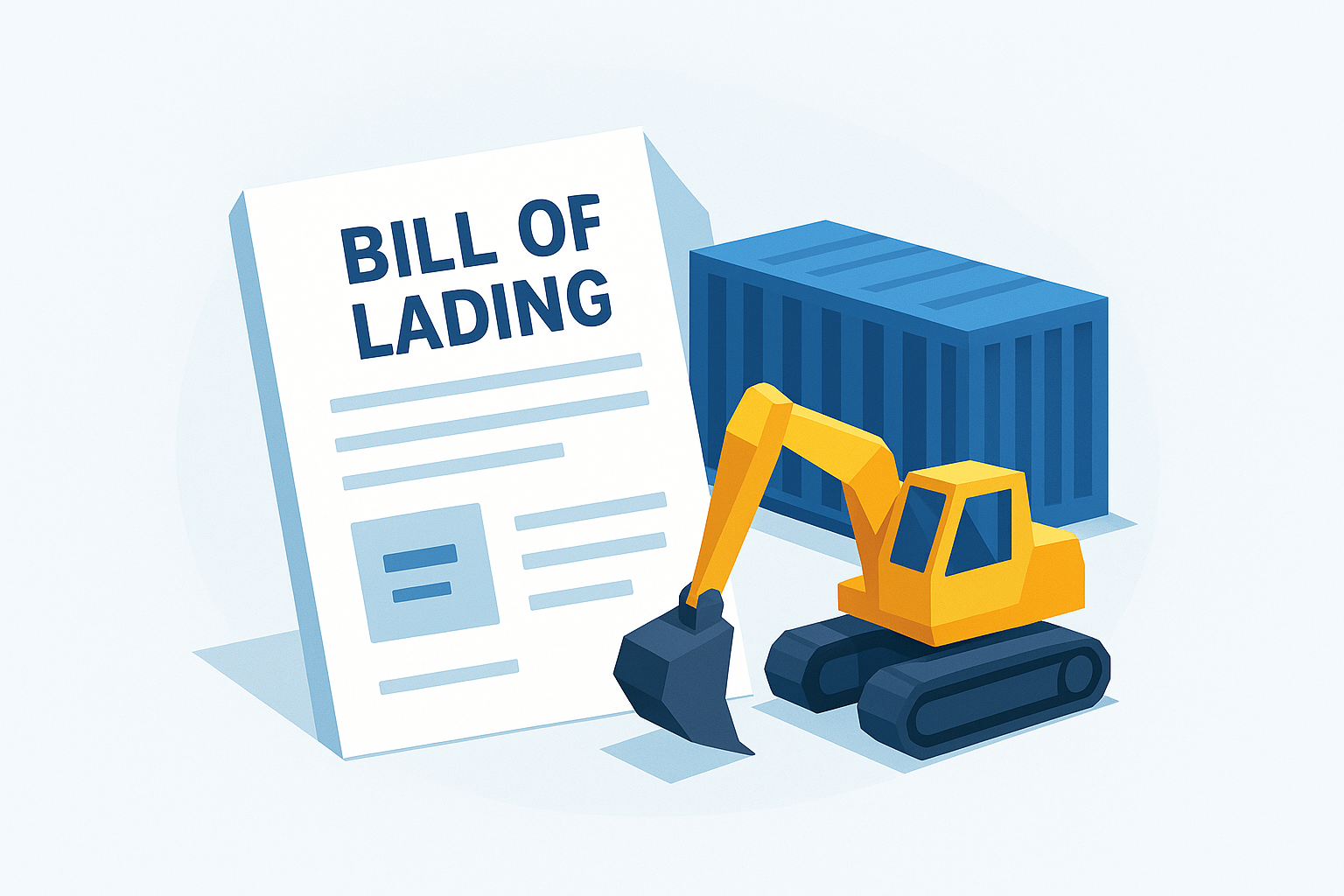
When you buy used construction equipment from Japan, the transaction doesn’t end at the point of sale, it ends when the machine arrives at your doorstep. Between those two moments, one document holds everything together: the bill of lading. This single piece of paper acts as a receipt, a contract of carriage, and proof of ownership all at once. Without it, your excavator or bulldozer isn’t going anywhere, and no port authority or customs office will release cargo without one.
At Japan Machinery Trader, we handle export logistics for every machine we sell, so we deal with bills of lading daily. It’s one of the most important shipping documents our customers encounter, yet it’s also one of the most misunderstood. Buyers often receive one without fully grasping what it means or why it matters, which can lead to costly delays at the destination port. Understanding this document gives you more control over your purchase from the moment it leaves Japan.
This article breaks down the bill of lading in plain terms, its definition, its purpose in international trade, the different types you’ll encounter, and real examples of what they look like. Whether you’re importing your first machine or your fiftieth, this guide will help you read and use this document with confidence at every stage of the shipping process.
What a bill of lading does and why it matters
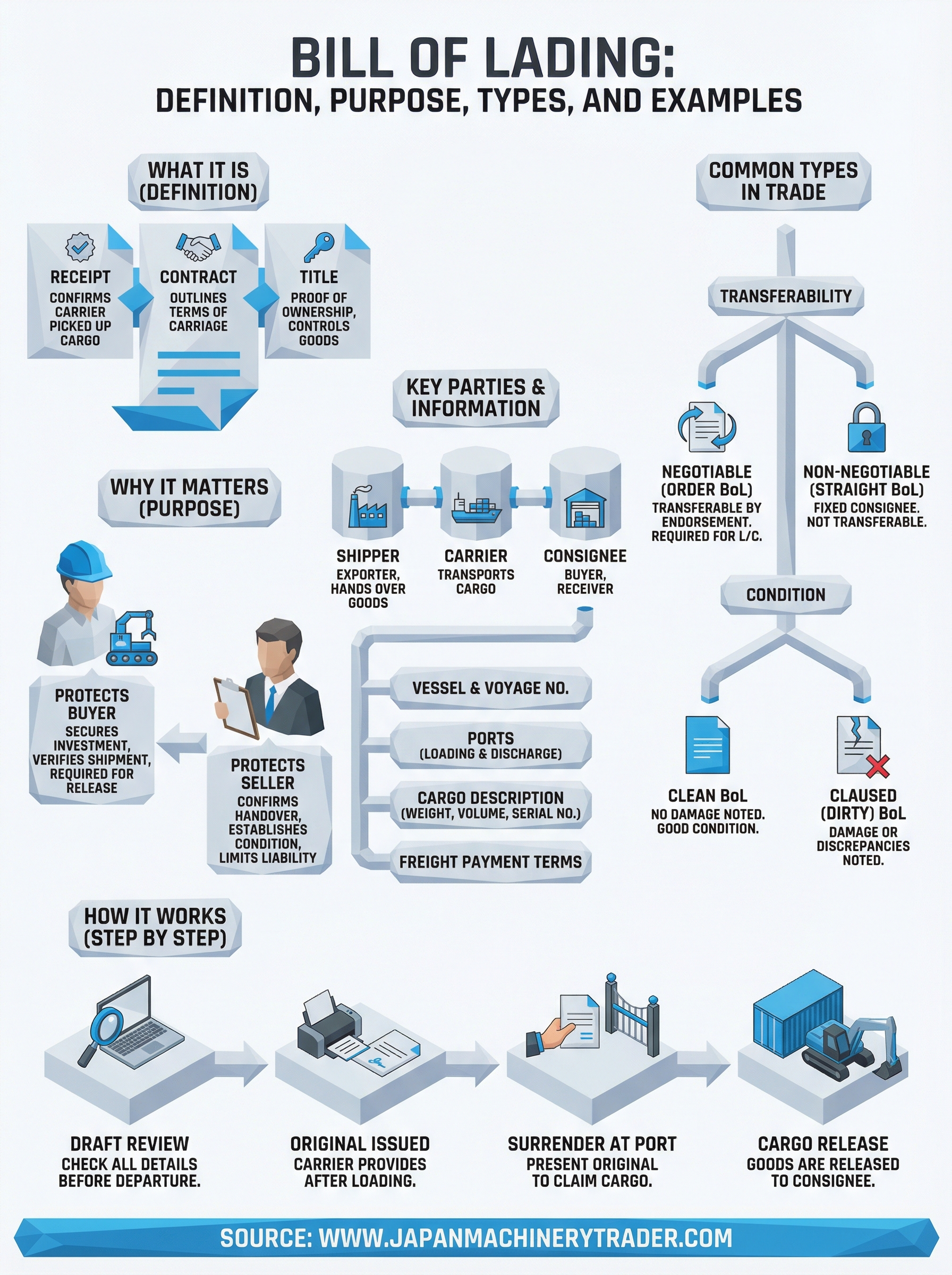
The bill of lading serves three distinct functions at the same time, and that combination is what makes it so critical in international shipping. First, it’s a receipt from the carrier confirming they picked up your cargo in the described condition. Second, it’s the actual contract of carriage outlining the terms under which your goods are transported. Third, and most importantly for buyers, it acts as a document of title, meaning whoever holds the original bill of lading legally controls the goods in transit.
Without a valid bill of lading, you cannot take possession of your cargo at the destination port, regardless of what you’ve paid.
How it protects the buyer
When you purchase used heavy machinery from Japan, you typically pay before the machine ships. The bill of lading is the document that protects your investment during that window. Banks involved in trade financing use it to verify the shipment exists and matches what was sold. If there’s a dispute about cargo condition or delivery terms, the bill of lading is the primary evidence both parties refer to.
Your shipping bank or freight forwarder will not release funds or process customs clearance without reviewing this document first. That’s not a formality; it’s a safeguard built into every international trade transaction.
How it protects the seller
From the seller’s side, the bill of lading confirms cargo was handed over to the carrier in good order. If damage occurs during transit, the document establishes the condition at the point of loading. This protects the seller from being held responsible for damage that happened after the handover, keeping the transaction fair for both parties.
Key parties and information on a bill of lading
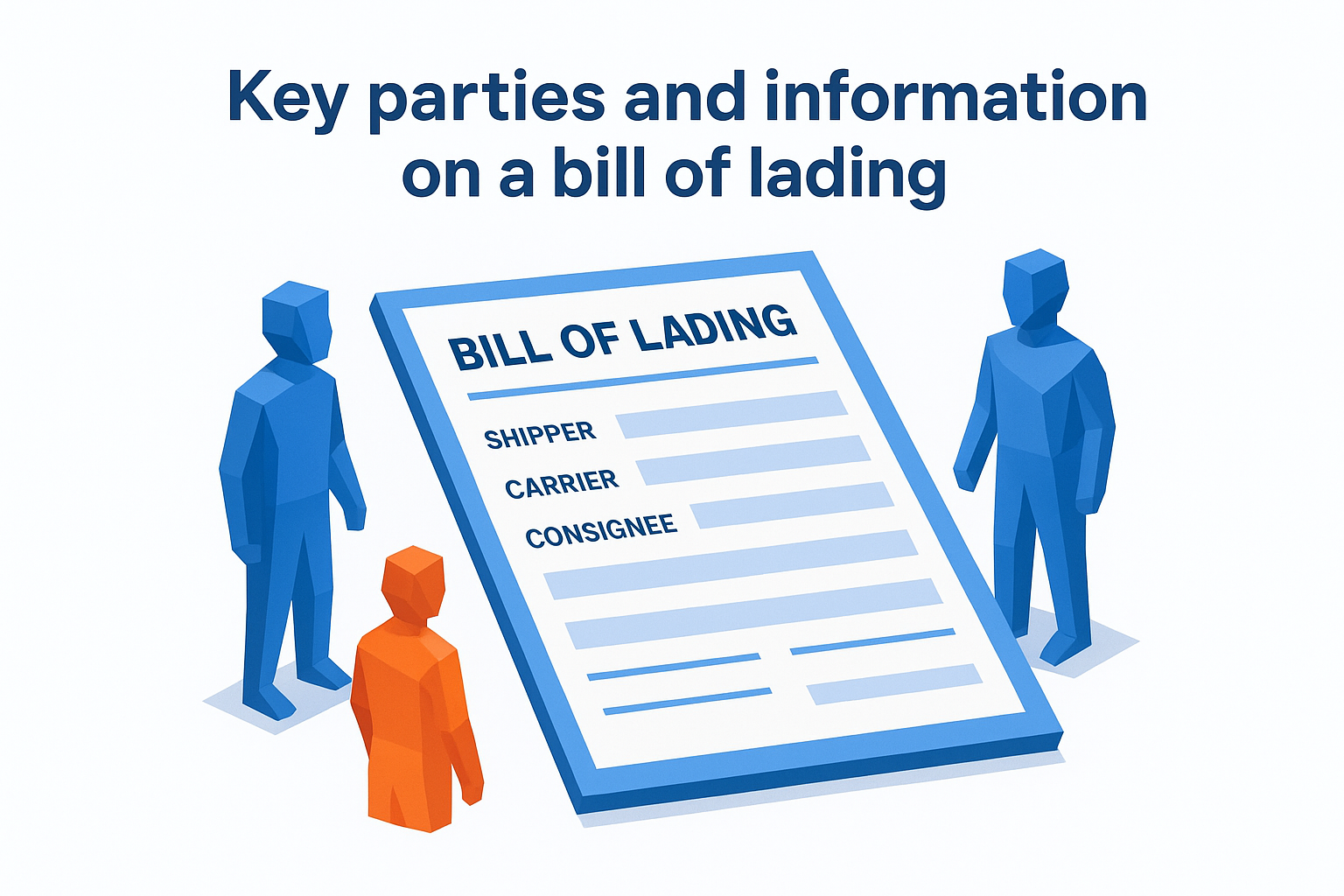
Every bill of lading identifies three core parties and lists specific cargo details that make the document legally valid. Understanding who these parties are and what information appears on the form helps you catch errors before they cause problems at the destination port.
The three main parties
The shipper is the seller or exporter who hands the goods over to the carrier. The carrier is the shipping line transporting the cargo. The consignee is the buyer or receiver, which in most cases is you. Each party’s name, address, and contact details must appear correctly on the document, since any discrepancy can delay customs clearance.
A single name mismatch between your bill of lading and your import documentation can hold your cargo at port for days.
What the document contains
Beyond party names, a bill of lading records key shipping details that determine how your cargo is handled and released. Reviewing each field before the document is finalized saves you from corrections that slow down your shipment.
- Vessel name and voyage number
- Port of loading and port of discharge
- Full cargo description including weight and volume
- Freight payment terms (prepaid or collect)
- Number of original copies issued
Common types of bill of lading in trade
Not every bill of lading works the same way. The type you receive determines how you can use it and what rights it gives you over your cargo. Knowing which type applies to your shipment helps you avoid costly port delays and handle documentation correctly from the start.
Negotiable vs. non-negotiable
A negotiable bill of lading (also called an order bill) can be transferred to another party by endorsement, making it a tradeable document of title. A straight bill of lading names a fixed consignee and cannot be transferred to anyone else. Most direct machinery purchases use a straight bill, since the buyer is known from the outset.
If you’re financing your purchase with a letter of credit, your bank will typically require a negotiable bill of lading before releasing funds.
Clean vs. claused
Two more types appear regularly in heavy equipment trade. A clean bill of lading confirms the carrier received your cargo in good, undamaged condition. A claused (or dirty) bill of lading notes visible damage or discrepancies at the point of loading, and it can complicate your insurance claims and customs clearance at the destination.
You should always aim to receive a clean bill of lading. Requesting a pre-shipment inspection reduces the chance of receiving a claused document and protects you if any dispute arises later in the process.
How the bill of lading works step by step
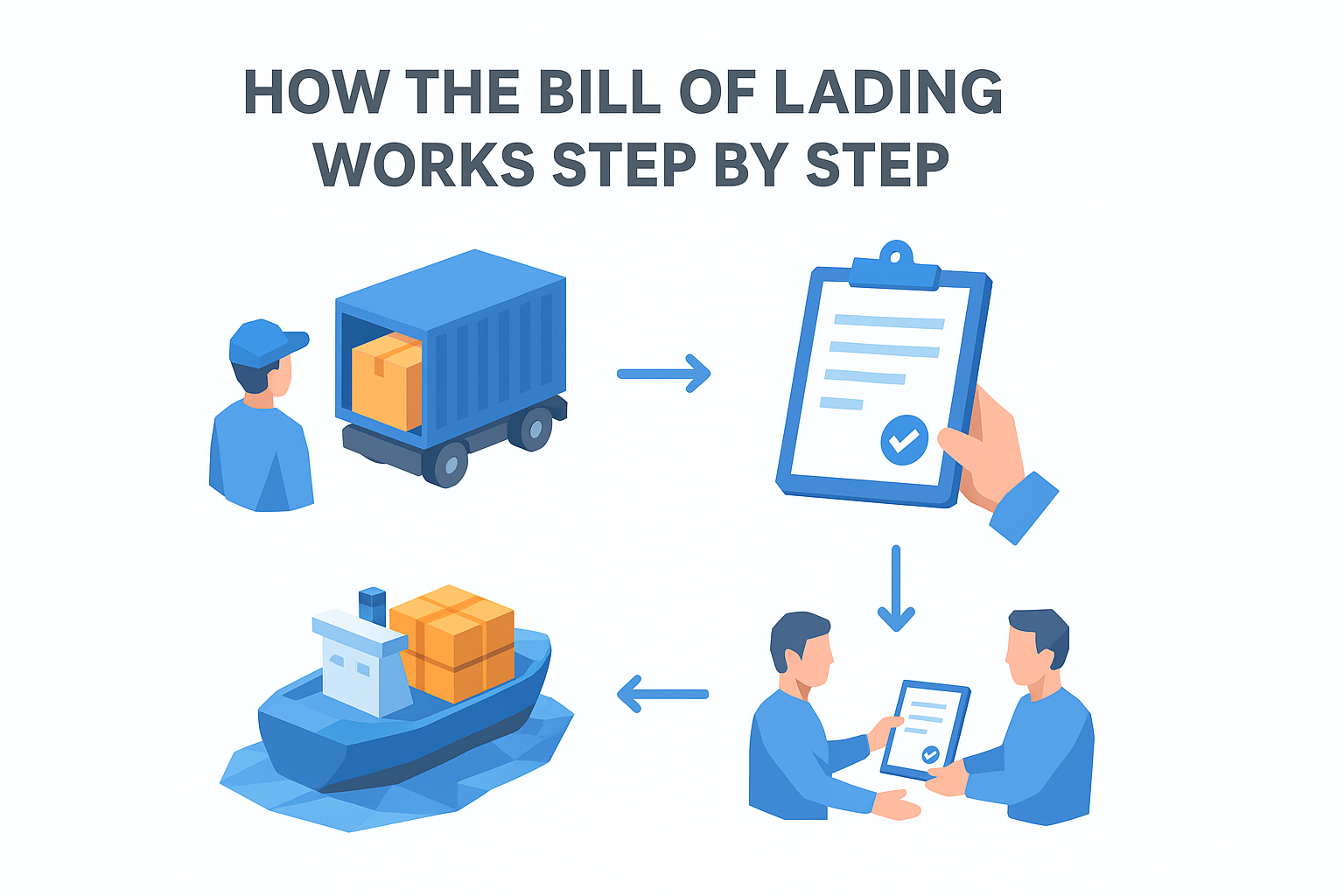
The process follows a clear sequence, and knowing each step helps you track your shipment and catch issues early. Most buyers only see the finished document, but understanding how it moves through the chain gives you better control over your cargo from the moment it leaves the export warehouse in Japan.
From loading to release
Once your machine is ready to ship, the shipper submits cargo details to the carrier, who issues a draft bill of lading for review. You or your freight forwarder should check every field at this stage, since corrections are far easier before the vessel departs. After the machine loads onto the vessel, the carrier issues the original signed document confirming the handover.
The carrier releases your cargo only when you surrender the original bill of lading, so keep it secure and track its delivery carefully.
Your bank or freight forwarder then sends you the original document, and you present it at the destination port to claim your cargo. This final handover step is non-negotiable: no original document means no release, regardless of any other paperwork you carry with you.
Examples and practical tips for using a bill of lading
A bill of lading for a used excavator shipped from Japan will list the machine’s make, model, and serial number under the cargo description, along with its gross weight and container or roll-on/roll-off reference. Matching these details to your purchase invoice before accepting the document is a non-negotiable step that protects you if a dispute arises later.
What a real bill of lading looks like
Most shipping lines issue bills of lading using a standardized format with clearly labeled fields for each party, vessel details, and cargo description. Your freight forwarder will typically send you a scanned copy first for review, and you should compare every field against your sales contract before the original document is printed and dispatched.
Always request your original bill of lading via a tracked courier service, since losing it causes significant delays at the destination port.
Tips to avoid common errors
Small mistakes create big delays. Before your shipment departs Japan, verify these details carefully:
- Confirm your company name and address match your import registration exactly
- Check the port of discharge reflects your intended destination
- Verify the cargo description includes the machine’s serial number
Key takeaways
The bill of lading is not just paperwork. It is a legal document of title, a receipt from the carrier, and a binding contract of carriage, all in one. Every international machinery shipment depends on it, and no port authority will release your cargo without the original in hand. Understanding whether you hold a clean or claused document, a negotiable or straight version, directly affects your rights over your cargo and how smoothly your import clears customs.
Errors on this document cost you time and money. Always review the draft before the vessel departs, confirm your company name and cargo details match your other import paperwork, and receive the original via tracked courier. These steps are straightforward, but skipping any one of them creates delays that are entirely avoidable.
If you’re sourcing used heavy construction equipment from Japan and want full export logistics support from loading to delivery, browse our available machinery at Japan Machinery Trader.