 JapanMachineryTrader
Finding the right equipment for grading and leveling operations can significantly impact project efficiency and budget. Mini motor graders for sale represent an increasingly popular category in the heavy equipment market, offering contractors and municipalities a cost-effective solution for maintaining roads, driveways, and small construction sites. These compact machines deliver professional-grade results while maintaining maneuverability in tight spaces where full-size graders cannot operate effectively.
Understanding Mini Motor Grader Specifications
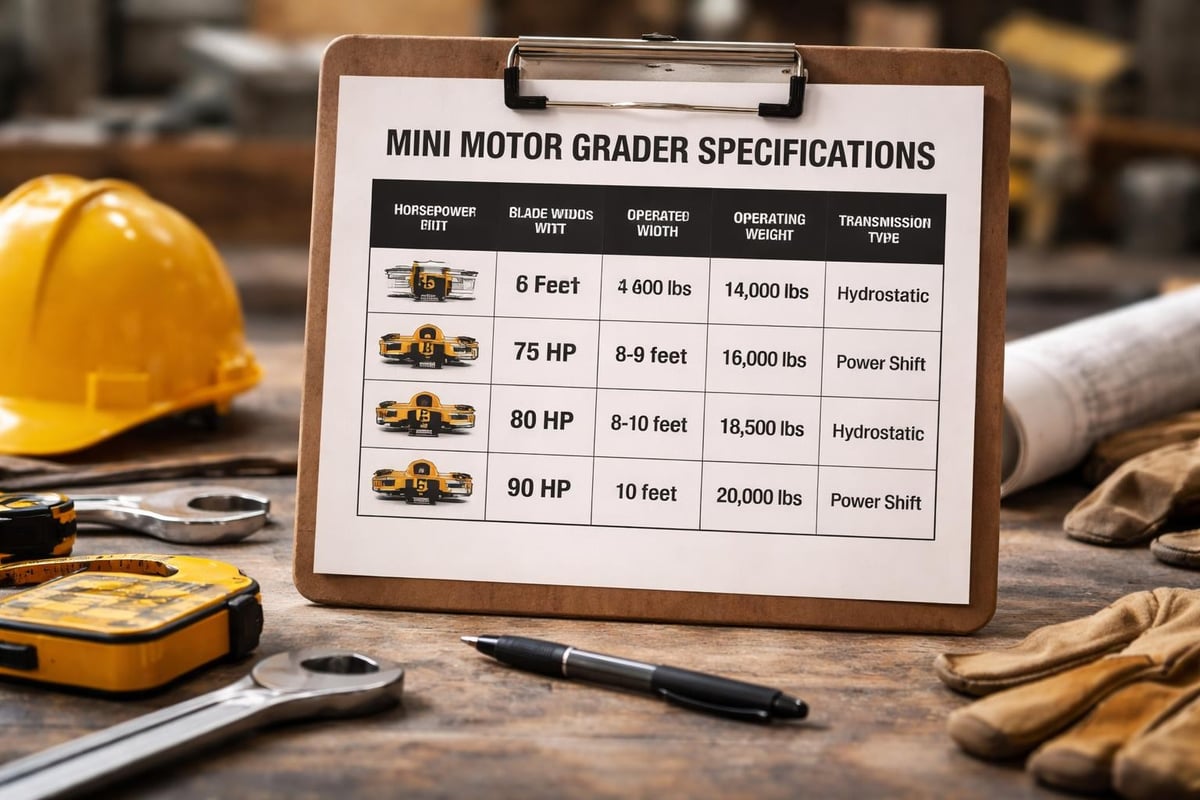
Mini motor graders typically range from 80 to 120 horsepower, featuring blade widths between 8 and 12 feet. These specifications make them ideal for projects requiring precision grading without the substantial investment required for larger equipment.
The operational weight of most mini graders falls between 10,000 and 18,000 pounds, allowing them to work on surfaces with lower load-bearing capacities. Engine power varies significantly across manufacturers, with diesel engines dominating the market due to their fuel efficiency and torque characteristics. Modern units incorporate hydrostatic transmissions that provide smooth power delivery and enhanced operator control during delicate grading operations.
Blade Configuration Options
The moldboard represents the heart of any grading operation. Mini graders offer several blade configurations:
Straight blades for basic grading and snow removal
Curved moldboards for ditch cutting and material displacement
Reversible cutting edges that extend operational lifespan
Hydraulic side-shift capabilities ranging from 24 to 30 inches
Circle reverse mechanisms allow operators to angle the blade up to 360 degrees in most quality models. This functionality proves essential when working on roadside drainage or creating precise crown profiles on rural roads.
Comparing Mini and Full-Size Motor Graders
Project requirements should dictate equipment selection. Mini graders and full-size graders serve distinct purposes based on application scope and terrain conditions.
Feature | Mini Motor Graders | Full-Size Graders |
|---|---|---|
Initial Investment | $45,000 – $125,000 | $180,000 – $500,000+ |
Blade Width | 8-12 feet | 12-16 feet |
Operating Weight | 10,000-18,000 lbs | 25,000-65,000 lbs |
Ideal Applications | Rural roads, driveways, small sites | Highways, large construction projects |
Transport Requirements | Single-axle trailer | Multi-axle lowboy trailer |
Fuel Consumption | 3-5 gallons/hour | 8-15 gallons/hour |
Transportation logistics favor mini units significantly. A standard pickup truck can tow most mini motor graders for sale, eliminating specialized hauling costs. This mobility advantage allows contractors to move equipment between job sites quickly, maximizing utilization rates.
Performance Considerations
Full-size graders excel at high-volume earthmoving and maintaining long stretches of highway. However, mini motor graders for sale deliver superior results in confined areas, residential developments, and agricultural applications. The reduced ground pressure minimizes surface disruption on established roads while maintaining adequate blade down-pressure for effective cutting.
Visibility from the operator station differs substantially between categories. Mini graders position operators closer to the blade, enhancing precision during detail work. This proximity proves invaluable when establishing drainage swales or fine-grading around existing structures.
Primary Applications and Use Cases
Municipal road maintenance departments represent the largest buyer segment for mini motor graders for sale. These units handle seasonal gravel road maintenance, pothole repair preparation, and snow removal operations efficiently. The compact footprint allows navigation through residential streets where larger equipment would damage curbs or landscaping.
Agricultural operations benefit from mini graders when maintaining farm roads, creating drainage ditches, and leveling building pads for equipment storage. The ability to grade between crop rows or around established orchards provides functionality that larger machines cannot match.
Construction Site Applications
General contractors increasingly specify mini motor graders for sale when preparing residential subdivision roads. The machines excel at:
Fine-grading driveways and parking areas
Establishing proper drainage slopes
Spreading and leveling aggregate base materials
Creating building pads with precise elevation control
Maintaining haul roads during active construction
Landscaping companies utilize mini graders for golf course construction, park development, and large estate maintenance. The precision blade control enables creation of subtle contours and drainage patterns that enhance aesthetic appeal while managing water runoff.
Evaluating Used Mini Motor Graders
The used motor grader market offers substantial savings compared to new equipment purchases. Quality used mini motor graders for sale typically range from $35,000 to $85,000, depending on age, condition, and hour meter readings.
Critical inspection points include:
Hydraulic system integrity and leak indicators
Blade moldboard wear and cutting edge condition
Circle gear backlash and rotation smoothness
Engine compression and oil consumption rates
Transmission response and shifting quality
Structural integrity of the mainframe
Hour meters provide useful baseline information, but maintenance history tells the complete story. Well-maintained units with 5,000 hours often outperform neglected machines showing 2,000 hours. Request service records documenting regular fluid changes, filter replacements, and component repairs.
Japanese Used Equipment Advantages
Equipment sourced from Japan typically exhibits superior condition compared to similar-aged domestic units. Japanese construction companies maintain rigorous service schedules, and lower annual operating hours result from seasonal work patterns and efficient project management.
Import considerations include voltage compatibility for electrical systems and operator manual translation. Reputable exporters provide complete documentation and handle shipping logistics, delivering equipment ready for immediate deployment. The comprehensive guide to sourcing mini motor graders highlights manufacturing standards and quality indicators across different production regions.
Price Ranges and Financing Options
New mini motor graders for sale from major manufacturers typically start at $95,000 for entry-level models. Premium units with advanced hydraulic systems and enclosed cabs reach $145,000. These prices reflect 2026 market conditions and standard equipment packages.
Cost Breakdown Analysis
Expense Category | Percentage of Total Cost |
|---|---|
Base Unit Price | 75-80% |
Delivery/Transport | 5-8% |
Initial Attachments | 3-5% |
Inspection/Certification | 2-3% |
Registration/Insurance | 5-7% |
Financing structures vary significantly between lenders. Traditional equipment loans require 15-20% down payment with terms extending 36 to 60 months. Interest rates for qualified buyers range from 5.5% to 8.5% based on credit strength and collateral value.
Lease programs provide alternative acquisition paths with lower monthly commitments. Operating leases preserve capital for other business needs while maintaining modern equipment fleets. Purchase options at lease termination typically range from 10-15% of original equipment value.
Operational Cost Considerations
Beyond acquisition price, mini motor graders for sale generate ongoing operational expenses that impact total ownership costs. Fuel consumption averages 4 gallons per hour under normal grading conditions, translating to $15-20 hourly at current diesel prices.
Maintenance intervals follow manufacturer specifications:
Daily: Fluid level checks, visual inspections
50 hours: Grease all fittings, check hydraulic filters
250 hours: Engine oil and filter changes
500 hours: Hydraulic fluid sampling, air filter replacement
1,000 hours: Transmission service, major component inspection
Annual maintenance budgets typically allocate $6,000-$9,000 for preventive service and minor repairs. This figure excludes major component replacements or structural repairs resulting from operational damage.
Productivity Metrics
Experienced operators achieve grading rates between 0.5 and 1.5 acres per hour depending on material conditions and desired finish quality. These productivity figures support accurate project bidding and equipment utilization planning.
Mini motor graders for sale deliver optimal value when operating 500-800 hours annually. Lower utilization rates make rental more economical, while higher hours justify full-size equipment investments. Calculate breakeven points by comparing ownership costs against rental rates in your local market.
Key Manufacturers and Model Comparisons
Caterpillar, John Deere, and Komatsu dominate the mini grader market with proven reliability and extensive dealer networks. Each manufacturer approaches design philosophy differently, creating distinct operational characteristics.
Caterpillar mini motor graders emphasize hydraulic responsiveness and blade control precision. Models feature advanced joystick controls and integrated grade control compatibility. Parts availability ranks among the best globally, supporting operations in remote locations.
John Deere units prioritize operator comfort and visibility. Spacious cabs with superior climate control reduce fatigue during extended shifts. The company’s emphasis on fuel efficiency delivers lower operating costs over equipment lifespan.
Komatsu offerings balance performance with value pricing. Robust construction standards ensure longevity in demanding applications, while straightforward mechanical systems simplify field maintenance. The brand particularly excels in Asian and Pacific markets with dedicated support infrastructure.
Emerging Market Options
Alternative suppliers offer competitive mini motor graders at reduced price points. These units suit budget-conscious buyers willing to accept limited dealer support networks. Quality varies substantially across manufacturers, making thorough pre-purchase inspections essential.
Chinese-manufactured graders have improved significantly in recent years, incorporating technology licensed from established brands. Warranty coverage typically spans one year or 1,000 hours, providing reasonable protection for new equipment investments.
Essential Attachments and Accessories
Maximizing versatility requires strategic attachment selection. Scarifier teeth mount ahead of the moldboard, breaking hardpacked surfaces before grading operations. These prove invaluable when renovating neglected roads or preparing surfaces for repaving.
Cab enclosures transform mini motor graders for sale into year-round equipment. Climate-controlled environments maintain operator productivity during extreme weather conditions. Budget $4,500-$7,500 for quality aftermarket cab installations.
Recommended Accessory Investments
LED work lights for extended operational hours
Backup cameras improving safety and efficiency
Radio communication systems for coordinated operations
Fire suppression systems protecting equipment investments
Supplemental counterweights for enhanced blade down-pressure
Implement GPS grade control technology to achieve consistent results matching engineered specifications. Modern systems provide real-time elevation feedback, reducing staking requirements and minimizing costly over-excavation. Initial investment ranges from $12,000 to $18,000 but delivers rapid ROI through improved accuracy and reduced labor costs.
Maintenance Best Practices
Preserving equipment value requires disciplined maintenance protocols. Store mini motor graders for sale under cover when possible, protecting hydraulic seals and electrical components from weather exposure. Indoor storage extends component life by 30-40% compared to outdoor parking.
Hydraulic system health determines operational reliability. Change hydraulic fluid every 2,000 hours using manufacturer-specified products. Contaminated fluid accelerates wear on expensive pumps and cylinders, creating cascade failures throughout the system.
Monitor blade cutting edge wear closely. Replace edges when remaining material drops below one inch to prevent moldboard damage. Reversible edges double service life, making them cost-effective despite higher initial prices.
Seasonal Preparation Requirements
Winter operations demand additional preparation steps:
Switch to cold-weather hydraulic fluid formulations
Install block heaters for reliable starting
Apply anti-seize compound to exposed threads
Check battery condition and charging system output
Verify coolant protection to appropriate temperatures
Summer maintenance focuses on cooling system efficiency. Clean radiator fins monthly during dusty conditions, and verify fan belt tension regularly. Overheating causes premature engine wear and potential catastrophic failures.
Auction Buying Strategies
Equipment auctions provide access to diverse mini motor graders for sale at competitive prices. Success requires preparation and disciplined bidding approaches. Research comparable sales data establishing realistic market values for target units.
Attend preview days when possible, conducting thorough inspections before auction day. Bring experienced mechanics capable of identifying hidden problems that casual observers miss. Document findings photographically for later reference when formulating maximum bid amounts.
Bidding Psychology and Tactics
Set firm maximum bids based on equipment condition and market research. Emotional bidding leads to overpayment and buyer’s remorse. Remember that winning every auction is not the objective; acquiring quality equipment at fair prices drives long-term profitability.
Online auction platforms expand access to equipment nationwide but eliminate hands-on inspection opportunities. Request additional photographs focusing on specific components, and review seller ratings from previous transactions. Factor shipping costs into total acquisition budgets when comparing distant units against local alternatives.
Import Considerations for International Buyers
Purchasing mini motor graders for sale from international markets requires understanding customs regulations and import duties. Japan produces exceptional used equipment maintained to exacting standards, offering significant value compared to domestic alternatives.
Documentation requirements include:
Bill of lading from shipping company
Commercial invoice showing purchase price
Equipment serial numbers and manufacturer information
Import permits from destination country authorities
Fumigation certificates for wooden packing materials
Import duties vary by destination country and equipment classification. Research applicable rates before committing to purchases, as these expenses significantly impact total landed costs. Freight forwarding companies specializing in heavy equipment simplify logistics and ensure regulatory compliance.
Quality Assurance for Imported Equipment
Reputable exporters provide detailed condition reports with photographs documenting equipment status. Request operational videos showing graders under load, demonstrating hydraulic function and engine performance. Third-party inspection services offer unbiased assessments for significant purchases, providing peace of mind despite additional costs.
Understanding voltage and frequency differences prevents electrical system complications. Japanese equipment operates on different electrical standards than North American units, requiring converter installations or component replacements. Clarify these specifications during purchase negotiations to avoid unexpected expenses upon delivery.
Selecting the right mini motor grader requires balancing performance needs, budget constraints, and long-term operational costs. Whether purchasing new or used equipment, thorough research and careful inspection ensure successful acquisitions that deliver years of reliable service. When you’re ready to explore high-quality used mini motor graders for sale sourced directly from Japan’s well-maintained equipment inventory, Japan Machinery Trader connects you with reliable machinery backed by comprehensive export support and transparent transaction processes.
Article written using RankPill.