 JapanMachineryTrader
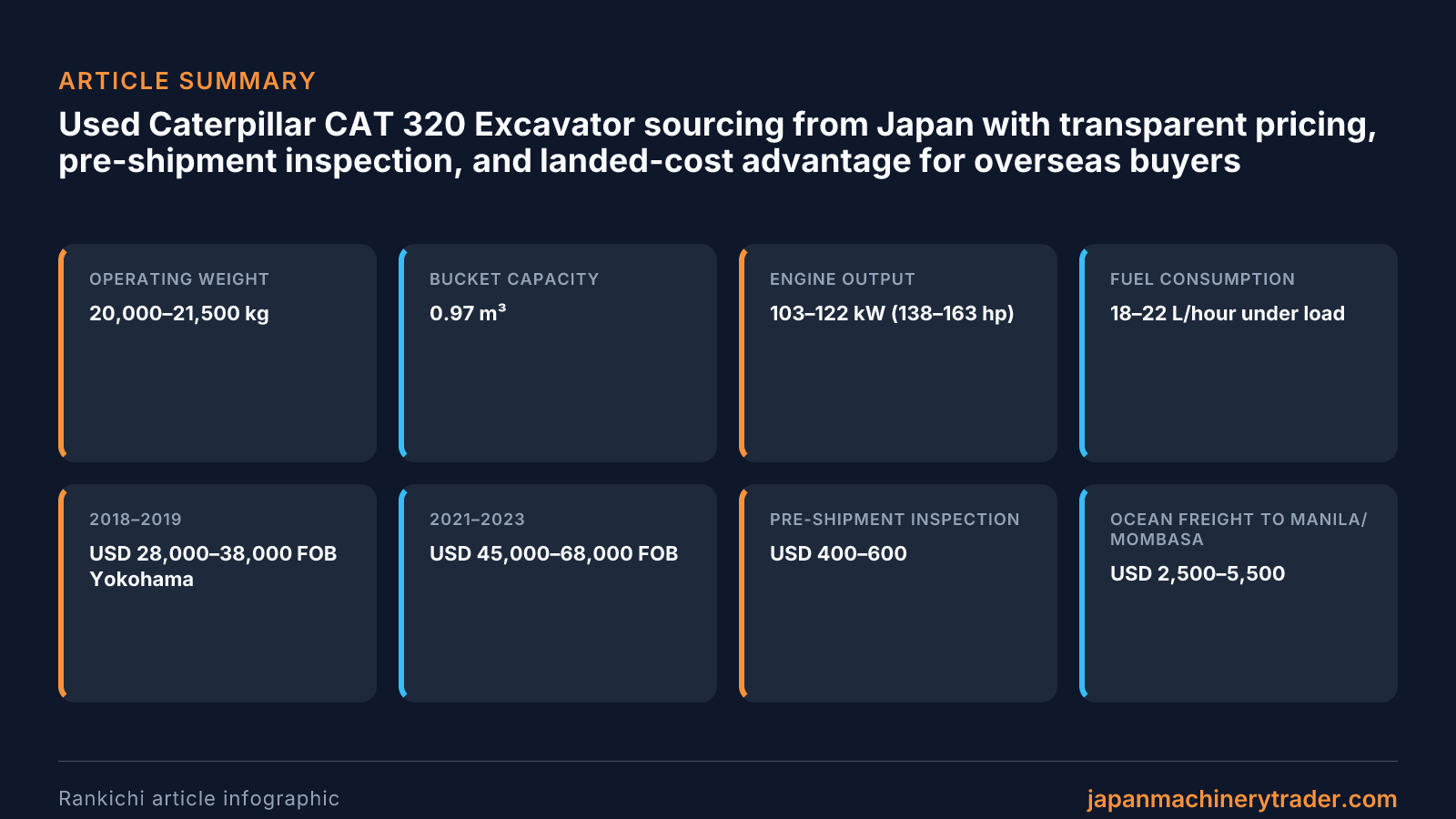
CAT 320 Quick Specs
| Spec | Value |
|---|---|
| Operating Weight | 20,000–21,500 kg |
| Bucket Capacity | 0.97 m³ |
| Engine Output | 103–122 kW (138–163 hp) |
| Fuel Consumption | 18–22 L/hour under load |
| Engine Model | C4.4 ACERT |
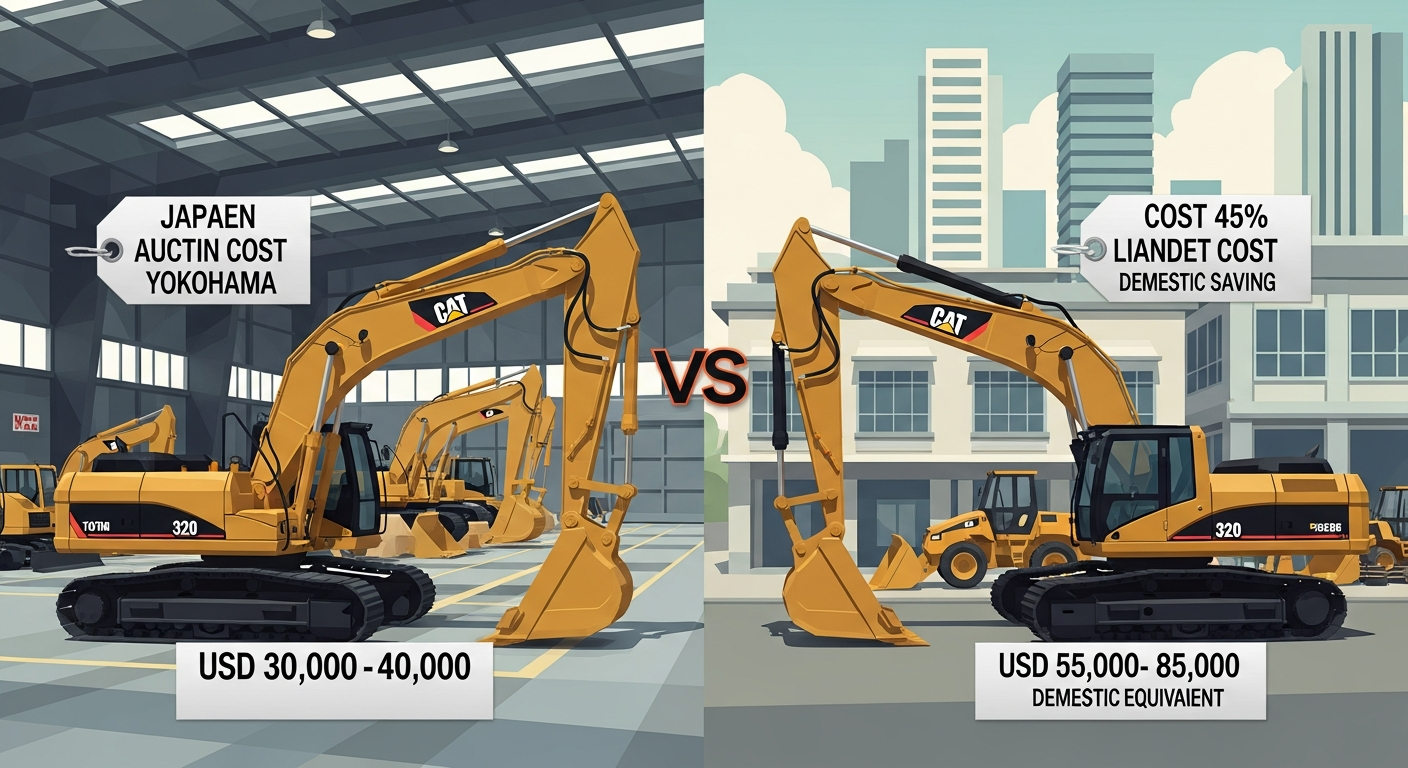
A used CAT 320 excavator sourced from a Japanese fleet and landed in Mombasa or Manila typically costs 30–45% less than the same machine bought through a domestic dealer—and arrives with a documented maintenance history most local traders can’t match.
By the end of this page, you’ll know what a used Caterpillar CAT 320 excavator actually costs landed at your port, what our pre-shipment inspection covers, and how to move from inquiry to vessel departure in under four weeks.
We’ll walk through the CAT 320’s core specs and why contractors from Lagos to Cebu keep coming back to this model, then cover what separates Japanese-fleet machines from alternatives sourced elsewhere. You’ll get a realistic price range for 2018–2024 vintage units, a transparent breakdown of inspection, freight, and customs costs to six target markets, and a clear picture of the documentation you’ll need to clear the machine at your port. If you’re ready to compare stock now, you can request a CAT 320 quote directly from our sourcing team.
Find Inspected CAT 320 Excavators in Stock
Japan Machinery Trader sources, inspects, and exports used Caterpillar 320 excavators to construction contractors and dealers worldwide. Get transparent pricing and full pre-shipment inspection details for machines ready to ship to your region.
Request a Quote →
What is the CAT 320 Excavator?
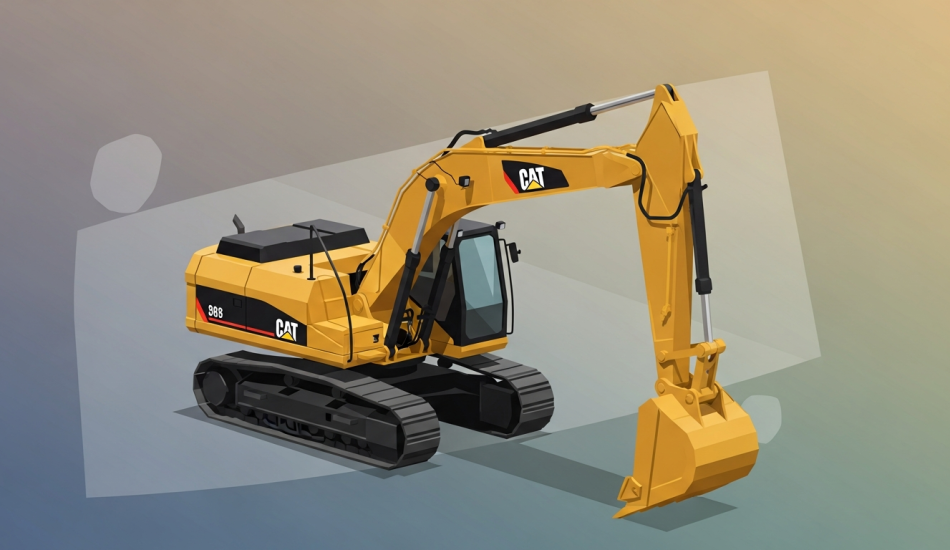
The CAT 320 sits in Caterpillar’s 20-ton excavator class — operating weight runs 20,000–21,500 kg depending on configuration, with a standard bucket capacity of 0.97 m³ and net engine output of roughly 103–122 kW (138–163 hp) across the E, E2, and GC variants. Those numbers place it squarely in the sweet spot for mid-scale construction: substantial enough to move serious material, compact enough to work in constrained urban sites where a 30-ton machine won’t fit.
Contractors reach for the 320 on pipeline trenching, road-base excavation, building demolition, and utility installation — the kind of mixed-duty cycles that would wear out a 13-ton machine in two seasons. The C4.4 ACERT engine is serviceable in markets where Tier 3 compliance still governs import eligibility, which matters for buyers in Kenya, Nigeria, Indonesia, and the Philippines.
Demand for a used Caterpillar CAT 320 excavator has held steady precisely because the model is over-engineered for the work most contractors actually assign it. Parts availability is wide, local mechanics across Africa and Southeast Asia already know the platform, and resale value floors are predictable.
One thing we’ve seen repeatedly: buyers upgrading to a 320 from a 13-ton class are often surprised by the fuel draw — budget 18–22 liters per hour under load, not 12.
Why Source CAT 320 Used Excavators from Japan?
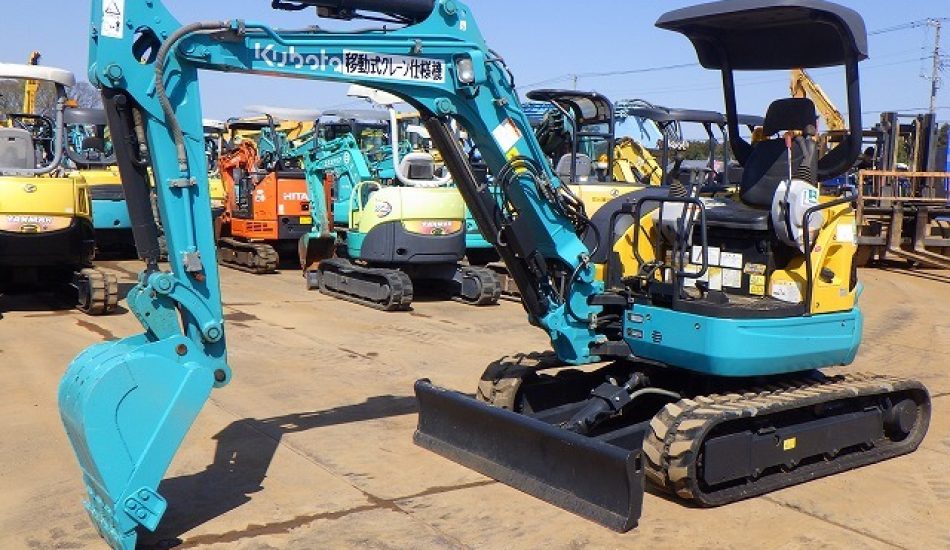
Japanese construction fleets are known for low operating hours and disciplined service records. A used CAT 320 sourced from Japan typically carries documented maintenance history — oil change intervals, hydraulic filter replacements, and dealer-stamped service books that many domestic or Chinese-market machines simply don’t have. That paper trail directly reduces your post-import repair risk.
Japan Machinery Trader sources Caterpillar excavators through Japan’s established auction network and private fleet liquidations. Before any machine ships, our inspectors check engine compression, hydraulic pressure, undercarriage wear, and structural integrity — then compile a full photographic report you can review before wiring a deposit. Nothing leaves Yokohama or Osaka without that sign-off.
On price, a 2019–2021 used CAT 320 from Japan typically lands 20–35% below comparable domestic units in Australia or the US, and noticeably undercuts Chinese-market equivalents on verifiable condition. You’re not buying cheaper — you’re buying more machine for the same outlay.
Buyers occasionally ask whether Japanese machines have been worked hard before auction. In practice, rental and municipal fleets in Japan tend to retire equipment earlier than contractors in emerging markets would — we’ve seen 6,000-hour machines in condition that would pass for 4,000 hours elsewhere. Always verify the hour meter against the service book; they should align closely.
See Our CAT 320 Pre-Shipment Inspection Process
Every machine undergoes rigorous testing of engine condition, hydraulic systems, and structural integrity. We provide detailed inspection reports with photos so you know exactly what you’re buying before it ships.
Get In Touch →
CAT 320 Pricing & Cost of Ownership for Importers
The CAT 320 holds its value unusually well in Japanese auction lanes, and that’s before accounting for the currency advantage buyers in Africa and Southeast Asia have enjoyed over the past two years. Understanding where purchase price ends and total landed cost begins is what separates a profitable fleet acquisition from an expensive mistake.
Pricing varies by vintage, operating hours, and condition grade. A 2018–2019 CAT 320 with 6,000–8,000 hours typically clears Japanese auctions at USD 28,000–38,000 FOB Yokohama. Cleaner 2021–2023 units with sub-4,000 hours run USD 45,000–68,000 depending on attachments and service history.
Typical Price Range (2020–2024 Vintage)
2020–2024 machines represent the strongest value window right now. A 2020 CAT 320 at 5,000 hours lists around USD 40,000–50,000 FOB; a low-hours 2023 unit can reach USD 72,000. Prices shift week to week with auction volume, so locking in a CIF quote early protects against sudden spikes.
Landed Cost Breakdown: Inspection, Shipping & Customs
Add USD 400–600 for pre-shipment inspection, USD 2,500–5,500 for ocean freight to Manila or Mombasa (40HQ flat-rack or RoRo depending on attachments), and destination customs duties — typically 10–25% CIF value depending on the importing country. Nigeria’s import levy and Indonesia’s BPOM requirements add administrative cost that buyers often underestimate. Budget a realistic landed cost 30–40% above the FOB price for most African and Southeast Asian markets.
We advise buyers to compare CIF quotes, not just FOB — a machine that looks USD 4,000 cheaper from a competitor can arrive USD 9,000 more expensive once freight class and destination port fees are applied.
CAT 320 Pre-Shipment Inspection Checklist
- Check engine blow-by, oil contamination, and coolant condition
- Test hydraulic pressure across main pump, travel motors, and stick cylinder circuits
- Verify electrical systems, monitor panel, and proximity sensors under load
- Measure track link wear, idler condition, and sprocket teeth
- Inspect boom, arm, and bucket pins for play and wear
- Check slewing ring for backlash and frame for cracks or weld repairs
- Cross-reference hour meter reading against available service records
CAT 320 Landed Cost by Vintage (USD)
| Period / Model | Condition | Price |
|---|---|---|
| 2018–2019 | 6,000–8,000 hours | $28,000–38,000 FOB |
| 2020–2024 | 5,000 hours | $40,000–50,000 FOB |
| 2021–2023 | sub-4,000 hours | $45,000–68,000 FOB |
| 2023 Low-Hours | — | up to $72,000 FOB |
| All Destinations | Inspection + Freight + Customs | +$3,900–14,100 above FOB |
Pre-Shipment Inspection: What We Check
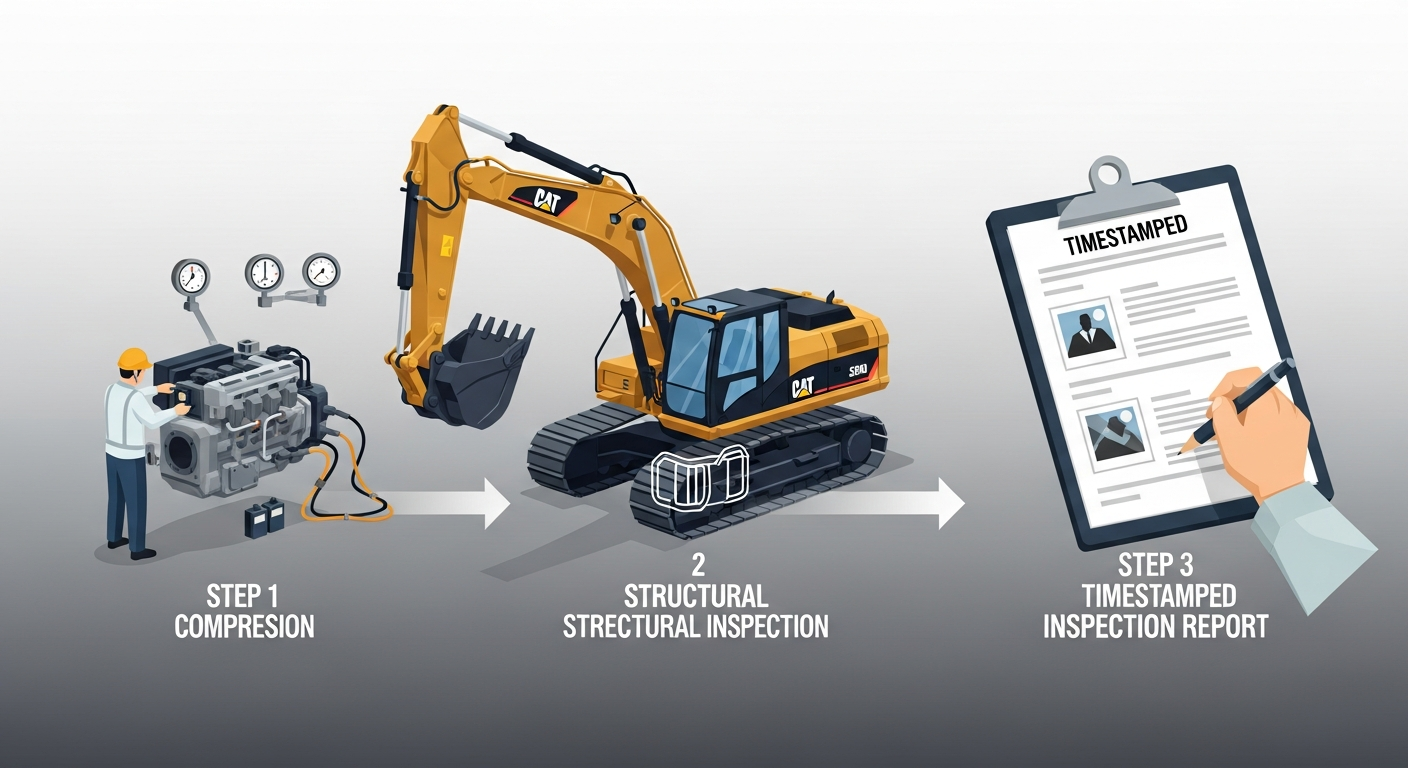
Every used CAT 320 excavator we ship goes through a structured pre-shipment inspection before it clears our yard in Japan. Buyers in Kenya, the Philippines, and Australia don’t get the chance to walk around the machine themselves — so our inspection report, including timestamped photographs, stands in for that walkthrough.
A used Caterpillar 320 can look clean on the outside and still hide a cracked swing bearing or a hydraulic pump running close to end-of-life. Our inspectors are trained to find those issues before the machine loads onto a vessel, not after it arrives at your port.
Engine, Hydraulic, and Electrical Systems
We check the engine for blow-by, oil contamination, and coolant condition. Hydraulic pressure is tested across the main pump, travel motors, and stick cylinder circuits — any pressure drop below Caterpillar’s service spec gets flagged. Electrical systems, including the monitor panel and proximity sensors, are tested under load.
Structural & Wear Assessment
The undercarriage is one of the first things we measure — track link wear, idler condition, and sprocket teeth tell you how much life is left. We inspect the boom, arm, and bucket pins for play, check the slewing ring for backlash, and photograph any cracks or weld repairs on the main frame.
Operating Hours and Maintenance Records
We pull the hour meter reading directly from the machine’s monitor display and cross-reference it against available service records. Japanese fleet operators typically maintain log books; where records exist, we include scanned copies in the inspection package sent to the buyer before payment.
One thing that catches buyers off guard: hour meter tampering is rare on Japanese machines but not impossible. We photograph the meter, note any inconsistency between wear patterns and the recorded hours, and flag discrepancies in writing. If the undercarriage wear suggests 8,000 hours but the meter reads 4,200, we say so.
Frequently Asked Questions
How does Japan Machinery Trader inspect a used CAT 320 before shipping?
We run a structured pre-shipment inspection covering engine compression, hydraulic pressure, undercarriage wear, boom and arm condition, and electrical systems. Every machine ships with a full written report and timestamped photos. Buyers in Kenya, Nigeria, and the Philippines have told us that report alone closes their board approval.
What does it cost to ship a CAT 320 excavator from Japan to my country?
Ocean freight typically runs $2,500–$4,500 to Southeast Asia and Australia, and $4,000–$8,000 to East or West Africa. US West Coast sits in the mid range. We quote freight separately from the machine price so you can see exactly where your landed cost lands.
How long does it take from quote to vessel departure for a CAT 320?
For machines already in stock, 2–4 weeks covers sourcing confirmation, inspection, documentation, and port coordination. Customs paperwork—bill of lading, certificate of origin, commercial invoice—is prepared in parallel so there’s no bottleneck at the Japan end.
What documents do I need to import a used CAT 320 into my country?
Standard export documents are the bill of lading, certificate of origin, commercial invoice, and packing list. Kenya and Nigeria may require additional import permits or conformity assessments. Indonesia and the Philippines have specific HS code declarations for used heavy equipment. We guide you through each market’s requirements before shipment.
Is a used CAT 320 from Japan a good fit for a small construction contractor?
Yes—the CAT 320’s 20-ton operating weight and roughly 140 hp engine handle utility trenching, demolition, and mid-scale earthworks without the fuel and maintenance overhead of a larger machine. Japanese fleet machines typically arrive with documented service intervals, which keeps ongoing repair costs predictable for smaller operators.
Important: Import regulations, freight costs, emissions rules, and customs requirements can change. Always confirm current rules with a licensed customs broker, freight forwarder, and relevant authorities before purchase.
Ready to Source Your CAT 320?
Get a Transparent Quote on Current Stock from Japan
You now understand the CAT 320’s capabilities, the price range for different vintages, and what our inspection covers. Our sourcing team can provide a CIF quote and current availability for your target port within 24 hours—with no obligation.
- Request CAT 320 Availability & Quote
- View Sample Inspection Report
- Ask About Freight to Your Port
- Speak with Our Sourcing Team
Conclusion
A used CAT 320 sourced from a Japanese fleet typically arrives with lower accumulated hours, documented service records, and none of the deferred maintenance that plagues machines bought regionally. Landed costs to Mombasa, Lagos, Manila, and the US East Coast are predictable once you account for FOB price, ocean freight, and local duties — and for contractors running mid-scale excavation or demolition work, the operating economics hold up against any comparable Chinese or domestic alternative.
Contact our sourcing team for current CAT 320 availability, condition-graded pricing, and a landed-cost estimate to your port. We’ll send you inspection photos, an hours-and-maintenance summary, and a freight quote — typically within 24 hours of your inquiry. Request a CAT 320 quote.
Ready to Import a CAT 320? Talk to Our Team.
Our sourcing specialists can confirm current inventory, provide landed cost estimates for your market, and walk you through customs and shipping logistics. Contact us today for pricing and availability.
Contact Us →