 JapanMachineryTrader
 rankichi-image://48253dd5-a025-466a-b05f-c16066bfd701)
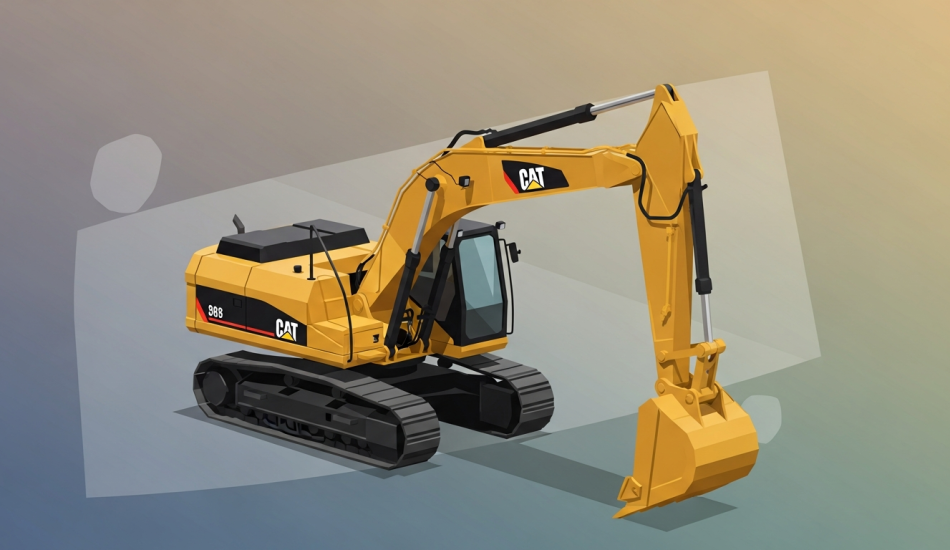
A used 20-ton Komatsu PC200 sourced from a Japanese auction, inspected, and shipped FOB Yokohama to Mombasa can land on your site in Nairobi for roughly USD 30,000–33,000 all-in — roughly half what a local dealer charges for comparable iron. That gap is why heavy equipment import to Kenya from Japan has become the default procurement strategy for serious construction contractors across East Africa.
By the end of this guide, you’ll know exactly what Kenya customs duties apply to construction machinery, how long the door-to-site timeline runs under normal and peak shipping conditions, and what documentation you need to clear the Port of Mombasa without delays or surprise penalties.
We’ll walk through the full import process — sourcing and pre-shipment inspection in Japan, export documentation, KRA customs clearance at Mombasa, and last-mile delivery to Nairobi or upcountry sites. We’ll also break down available equipment categories (excavators, wheel loaders, bulldozers, dump trucks), flag the import mistakes that cost contractors weeks and thousands of dollars, and outline payment terms that work for Kenyan buyers. If you’re comparing Japanese machinery against grey-market units coming through Dubai or India, the quality and cost data in this guide will settle that question.
Find Pre-Inspected Heavy Equipment for Kenya Import
We source certified used Komatsu, Hitachi, and Kobelco machinery direct from Japan. Every unit passes ISO-standard inspection before shipment, so you get quality assurance and transparent pricing—no grey-market surprises.
Request a quote →
Why Import Heavy Equipment to Kenya from Japan
A used 20-ton Komatsu PC200 excavator sourced from Japan typically lands in Mombasa at USD 28,000–32,000 all-in — freight, duties, and clearance included. A comparable unit through a Nairobi dealer, if one is even available, runs USD 40,000–55,000. That gap funds a second machine for many mid-sized contractors. Importing construction equipment to Kenya from Japan is, for most buyers, a straightforward arbitrage on quality versus price.
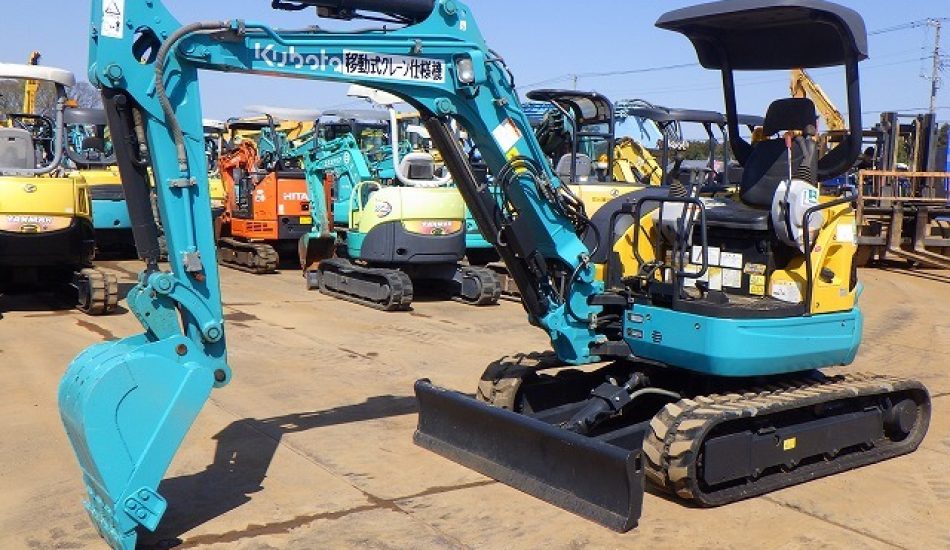
Japan’s domestic construction equipment market turns over machinery at 5,000–8,000 hours that would run another 8,000 hours in East African conditions. Komatsu, Hitachi, Kobelco, and Caterpillar units decommissioned from Japanese civil works projects arrive pre-inspected, with engine and hydraulic data documented — not stripped and repainted the way grey-market units from Dubai or South Asian resellers sometimes arrive. The inspection certificate travels with the machine.
In our experience shipping to East Africa, buyers who skip pre-shipment inspection to save USD 300–500 often face repair bills of USD 2,000–6,000 within the first three months of site work. The inspection cost is not optional — it’s the cheapest insurance you’ll buy.
Kenya Revenue Authority (KRA) classifies most construction machinery under HS Chapter 84, applying an import duty of 25% on the customs value for excavators, wheel loaders, and bulldozers. Crawler-mounted excavators under HS 8429.52 sometimes attract a reduced rate of 0–10% depending on current EAC Common External Tariff schedules — confirm the specific HS code with your clearing agent before committing to a landed cost estimate. Either way, duty is calculated on the CIF value (cost of the machine plus insurance and freight to Mombasa), not the FOB purchase price.
On top of import duty, KRA levies 16% VAT on the full dutiable value. There is no excise tax on standard construction machinery for commercial use, though VAT-registered Kenyan businesses can typically recover input VAT through their returns. For a machine with a CIF of USD 26,000, you’re looking at roughly USD 6,500 in import duty plus USD 6,760 in VAT — call it USD 13,000 in tax charges before port handling and clearing fees.
Pre-shipment inspection changes the calculus. When a third-party inspection certificate accompanies the shipment, KRA customs officers are less likely to impose an upward valuation adjustment — an informal practice that can quietly add 10–15% to the assessed CIF value on uninspected imports. A credible pre-inspection report anchors the declared value and reduces dispute risk during Kenya customs clearance.
In practice, the EAC tariff schedule is updated periodically, and KRA officers apply their own discretion on valuation for used equipment. Build a buffer of 5–8% above your estimated duty line when projecting total landed cost — it’s rare to come in exactly on the textbook number.
Cut Import Costs by 30–40% vs. New or Local Dealers
Used Japanese equipment typically lands in Nairobi 8–12 weeks after purchase, with landed costs (equipment + freight + duty) running 30–40% below new machinery or local dealer markups. Our team handles sourcing, inspection, documentation, and customs liaison so you can focus on your projects.
Talk to our team →
Step-by-Step: Importing Heavy Equipment to Kenya
Importing construction machinery from Japan to Kenya follows a repeatable five-step process: source and select the unit, complete pre-shipment inspection, finalize export documentation, clear Kenyan customs at Mombasa port, then arrange last-mile transport to your site. Each stage has a defined timeline. When you work with an export-ready supplier, the entire sequence from purchase order to machine on-site typically runs 8–15 weeks.
The steps below break that process down in detail — covering what happens at each stage, who handles which documents, and where delays are most likely to occur. Kenyan importers who plan each phase in advance consistently clear customs faster and avoid the demurrage charges that can add USD 500–1,500 to a shipment if paperwork stalls at Kilindini Harbour.
Typical Timeline: From Purchase to Delivery in Kenya
From the day you confirm a purchase, plan for 8–15 weeks before the machine is operational on your Kenyan site. Sourcing a suitable unit from Japanese auction or dealer stock typically takes 2–3 weeks; inspection and export documentation add another 1–2 weeks. Shipping from Mombasa or Yokohama to the Port of Mombasa runs 4–6 weeks depending on the vessel schedule and transshipment routing.
Kenyan customs clearance at Mombasa Port adds 2–4 weeks — closer to two if your documents are clean, closer to four during peak import seasons or when KRA runs spot-check valuations on machinery arriving from Japan. Factor in IDF (Import Declaration Form) processing and port handling charges, which can hold release even after duty payment. Last-mile trucking from Mombasa to Nairobi or upcountry sites adds 2–5 days on top.
- Sourcing (auction/dealer selection): 2–3 weeks
- Pre-shipment inspection + export docs: 1–2 weeks
- Ocean freight (Japan → Mombasa): 4–6 weeks
- KRA customs clearance: 2–4 weeks
- Total door-to-site for a heavy equipment import to Kenya: 8–15 weeks
The single biggest cause of timeline overruns we see is missing or inconsistent documentation — a HS code mismatch between the bill of lading and the KRA import declaration can freeze a container for two weeks. Get the paperwork right before the vessel departs; corrections from overseas are slow and expensive.
Frequently Asked Questions
How much does it cost to import a used excavator to Kenya?
A 20-ton Komatsu or Hitachi excavator typically costs USD 18,000–25,000 ex-Japan. Add freight to Mombasa (~USD 3,500–5,000 for a 40HQ), KRA import duty (15–25%), and clearance fees. Total landed cost in Nairobi usually runs 30–40% below new-equipment or local dealer pricing.
How long does heavy equipment take to arrive in Kenya from Japan?
Expect 8–15 weeks door-to-site. Sourcing and selection takes 2–3 weeks, pre-shipment inspection 1–2 weeks, ocean freight to Mombasa 4–6 weeks, and Kenyan customs clearance another 2–4 weeks. Peak shipping seasons — typically Q4 — can push timelines toward the longer end.
Do I need an import license or permit to bring construction machinery into Kenya?
Yes. You’ll need a valid business import license, KRA import entry documentation, and a bill of lading from the shipping line. A pre-shipment inspection certificate is also required for customs valuation. We prepare the export-side documents; work with a licensed Kenyan customs broker to handle KRA compliance.
What quality checks do pre-inspected machines go through before shipping?
Every unit is inspected in Japan before loading: engine hours verified, hydraulics pressure-tested, undercarriage wear measured, and structural condition documented. You receive a signed inspection report with photos. This certificate supports KRA valuation and gives you a factual condition baseline before the machine leaves port.
Which Japanese brands hold up best on Kenyan construction sites?
Komatsu and Hitachi lead across East Africa — spare parts circulate widely in Nairobi, and local technicians know the service intervals. Kobelco performs well on confined urban sites. Caterpillar is also available and carries strong dealer support through Barloworld Equipment Kenya. All four brands we stock are proven in the region.
Important: Import regulations, freight costs, emissions rules, and customs requirements can change. Always confirm current rules with a licensed customs broker, freight forwarder, and relevant authorities before purchase.
Conclusion
Importing used heavy equipment from Japan to Kenya is one of the most cost-effective ways to put certified machinery on site — a 20-ton Komatsu or Hitachi excavator typically lands in Mombasa at 30–40% below new-unit pricing, with documentation, pre-shipment inspection, and freight bundled. The process runs 8–15 weeks start to finish. Knowing the duty structure upfront, clearing through KRA with proper documentation, and choosing pre-inspected equipment over grey-market units are what separate smooth deliveries from costly delays at port.
Send us your equipment requirements — model, tonnage class, intended application — and we’ll return sourcing options, current pricing, and a Kenya-specific import timeline within 24 hours. Request a quote on pre-inspected equipment for Kenya and our export team will handle the rest, from Yokohama to your site.
Get Started: Connect with Our Kenya Import Specialists
Share your equipment list and project timeline, and we’ll provide sourcing options, transparent pricing, duty estimates, and a delivery schedule tailored to your Kenyan location.
Get in touch →